
In the rapidly evolving financial landscape of 2025, crypto cards are taking center stage and sparking debates about their superiority over traditional payment methods. With technological advancements, the question arises: are these innovative cards capable of dethroning the tried-and-true traditional options? This article aims to explore the ongoing battle between crypto cards and their conventional counterparts, diving deep into the features, benefits, and challenges each presents, to determine which will come out on top.
The appeal of crypto cards lies in their potential to seamlessly integrate digital currencies into daily transactions, offering a futuristic alternative to traditional banking systems. On the other hand, traditional cards boast decades of trust and stability. As the digital economy expands, deciding whether to adopt crypto cards or stick with longtime favorites depends on multiple factors, including user preference and global financial trends.
Security and fraud prevention
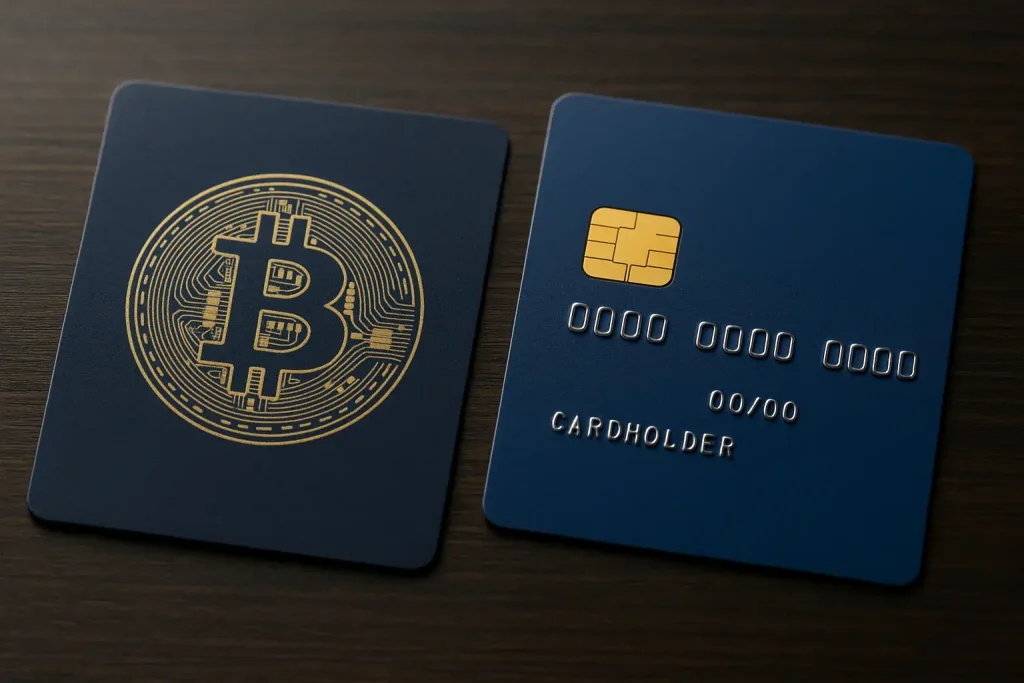
Security is paramount in today’s digital age, and it becomes a focal point when choosing between crypto and traditional cards. Crypto cards leverage blockchain technology, which assures transparency and resistance to fraud. This decentralization provides an extra layer of security that can be appealing in an era where data breaches are prevalent. However, traditional cards are not far behind with their well-established security protocols and fraud detection mechanisms designed to swiftly tackle any suspicious activities.
For many consumers, the decision hinges on how effectively these cards prevent unauthorized access and fraud. While crypto cards promise revolutionary security features, traditional cards provide a sense of reliability with their comprehensive customer support and insurance policies. As both systems advance, understanding their limitations and strengths becomes crucial for making informed choices. The debate centers on whether embracing new technology outweighs the comfort of trusted techniques in guarding financial assets.
Adapting to user experience
The usability of crypto cards versus traditional options often determines their popularity among consumers. Crypto cards offer the potential for global transactions without currency conversion fees, appealing to frequent travelers and international shoppers. This convenience, however, comes with a learning curve, as users need to understand digital currencies and their fluctuations. In contrast, traditional cards provide familiarity and widespread acceptance, making them a staple for everyday purchases.
User experience also encompasses the accessibility each card type offers. While traditional cards are backed by extensive ATM networks and customer service, crypto cards offer digital wallets and are accessible via smartphones, catering to a tech-savvy clientele. The choice between the two often boils down to personal preference and comfort with technology. Fans of innovation might lean towards crypto cards, while those prioritizing ease and immediate access may prefer traditional methods.
Future prospects and mass adoption
The future of payments lies in how quickly and effectively new technologies gain widespread acceptance. Crypto cards are at the forefront, potentially reshaping how transactions occur on a global scale. Their appeal lies in decentralization and lower fees, which might lead to broader acceptance and usage. However, it’s essential for these cards to address volatility concerns and regulatory challenges to ensure smooth adoption.
Traditional cards, while maintaining their dominance, are also evolving by incorporating features like contactless payments and integrating with digital platforms to stay competitive. The key question remains whether crypto cards can overcome regulatory hurdles and gain the trust of a wider audience to surpass traditional cards. Both types are poised to evolve, and their coexistence might offer a diverse spectrum of options to meet varied consumer needs, reflecting the dynamic nature of finance in 2025.
The debate continues, with both crypto and traditional cards carving out essential niches in the world of finance. Ultimately, the winner in 2025 depends on individual needs, technological advancements, and market dynamics. Consumers must weigh the innovative attributes of crypto cards against the reliability of traditional methods, considering factors like security, usability, and global acceptance.
