
Digital infrastructure investments are becoming increasingly vital in our connected world. As technology advances, the demand for robust and efficient networks rises, making investments in 5G, data centers, and smart cities essential. These components represent the backbone of modern infrastructure, enabling faster communication, data processing, and urban management. Investing in these technologies not only promises enhanced connectivity but also drives economic growth and innovation globally.
The integration of 5G technology, advanced data centers, and smart urban designs is reshaping how we interact with our environments. Enhancing digital infrastructure is crucial for businesses, governments, and individuals seeking to stay competitive in the digital age. This article will explore the multifaceted impact of these investments, highlighting their significance for technological and economic progress.
The role of 5G in digital infrastructure
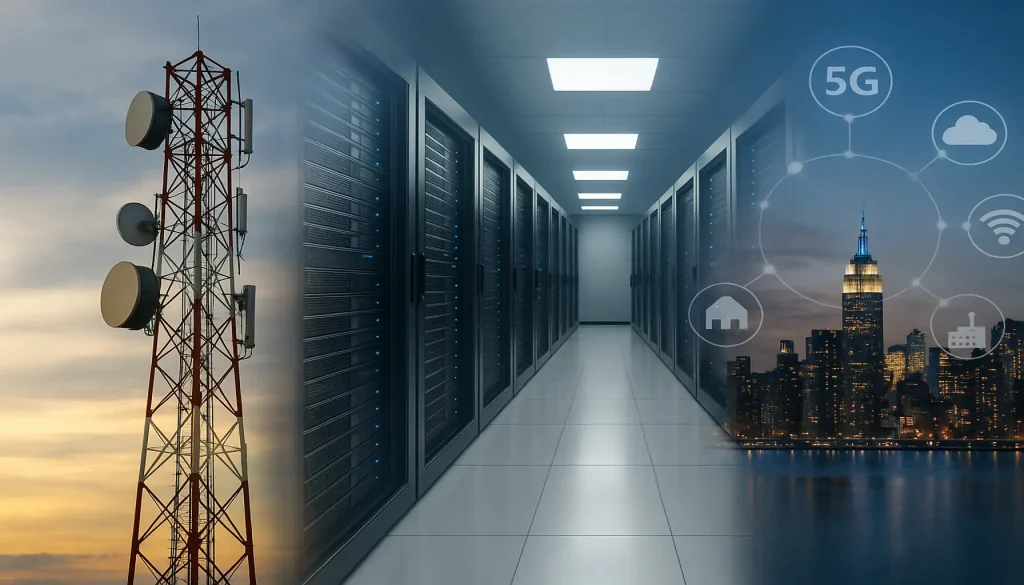
5G technology is a key element of digital infrastructure investments, offering unprecedented speed and connectivity. With its ability to support a vast number of devices simultaneously, 5G is set to revolutionize mobile communications and the Internet of Things (IoT). This transformation enables smarter solutions in transportation, healthcare, and urban planning.
The deployment of 5G networks facilitates innovations that enhance everyday life. By supporting real-time data transmission, it empowers applications such as autonomous vehicles and remote medical consultations. These developments require robust infrastructure, underlining the importance of investments in this area.
Impact of 5G on various industries
5G technology has transformative potential across numerous industries. In healthcare, it enables remote diagnoses and telemedicine, improving access to care. For manufacturing, the increased bandwidth and real-time data processing optimize production processes through automation and AI integration.
Moreover, the entertainment industry benefits from 5G by offering seamless streaming experiences and augmented reality applications. These improvements indicate why digital infrastructure investments are crucial for sustaining industrial growth and enhancing service delivery worldwide.
Data centers: the backbone of connectivity
Data centers form the core of digital infrastructure, hosting the vast amounts of data transferred across networks. As digital transformation accelerates, the demand for efficient and secure data centers grows. These facilities are integral to both private and public sectors, supporting services from cloud computing to big data analytics.
Investment in data center infrastructure ensures reliable data processing and storage, which are vital for supporting modern applications. As more businesses migrate to cloud-based solutions, these centers play a pivotal role in maintaining operational continuity and data security.
Maximizing data center efficiency and security
To enhance data center performance, organizations focus on energy efficiency and advanced cooling systems. Implementing innovative technologies, such as AI-driven resource management, optimizes operations and reduces environmental impact. Ensuring cybersecurity within these centers is equally important for protecting sensitive data.
Investment in data centers encompasses upgrading hardware and adopting cutting-edge software solutions. This dual approach guarantees that data centers remain both efficient and secure, meeting the growing demands of the digital landscape.
The future of smart cities
Smart cities represent the pinnacle of urban digital infrastructure investments, where technology enhances urban management and livability. Integrating IoT devices and advanced analytics, smart cities optimize resource use, reduce pollution, and improve public safety. They offer innovative solutions to contemporary urban challenges, such as congestion and energy consumption.
Investments in smart city technology pave the way for sustainable urban development. These cities leverage digital infrastructure to create more resilient, efficient, and inclusive environments for their residents, ultimately enhancing the quality of urban life. Embracing these innovations ensures that cities can meet the demands of a rapidly evolving technological landscape.
