
In times of climate emergencies, financial readiness becomes indispensable. Credit cards play a crucial role in ensuring quick access to funds, providing a lifeline to those affected by sudden disasters. Whether it’s securing lodging, purchasing emergency supplies, or acquiring necessary services, the ability to swiftly facilitate transactions can significantly alleviate stress.
The urgency of climate emergencies necessitates a reliable financial instrument. Beyond mere convenience, credit cards empower individuals and communities to act promptly and strategically when faced with unexpected challenges. By bridging the gap between immediate needs and longer-term recovery plans, they serve as both a practical tool and a strategic asset in crisis management.
The importance of credit cards in disaster response
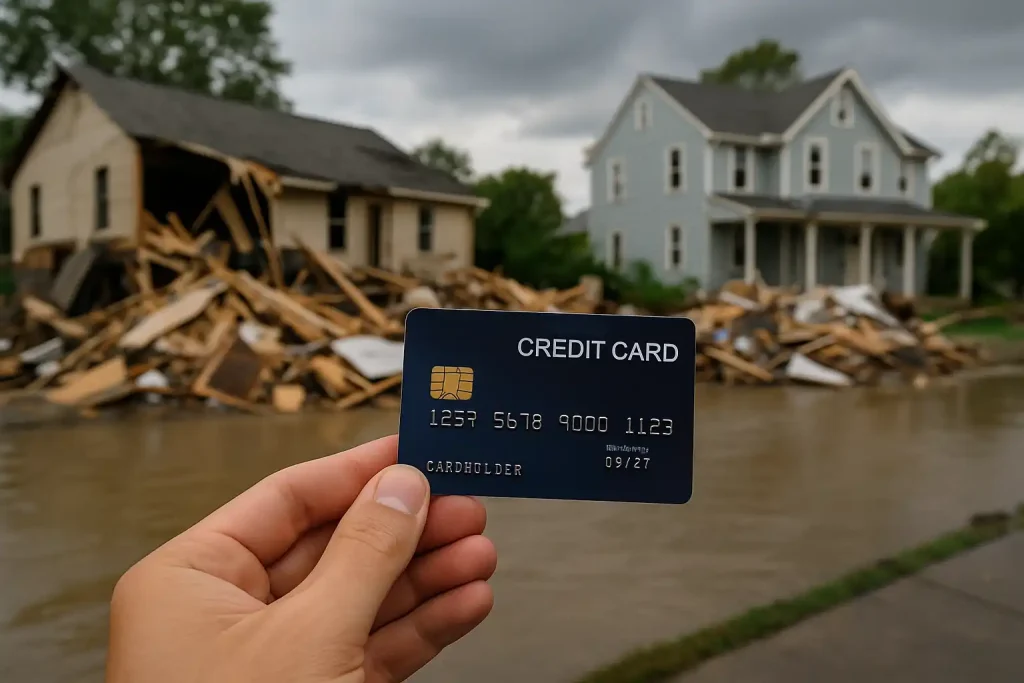
In the context of disaster response, credit cards provide indispensable financial flexibility. They allow impacted individuals to purchase necessities without delay, a critical advantage when every moment counts. Whether needing to secure temporary shelter or resources for survival, the quick access to credit can make all the difference. Furthermore, many credit cards offer features like interest-free periods and cashback on purchases, enhancing their utility during challenging times.
Credit cards also aid communities in coordinating recovery efforts more efficiently. Relief agencies and non-profit organizations can leverage credit to streamline procurement processes, ensuring that resources are deployed where they are needed most. Additionally, these institutions often benefit from disaster-related exemptions and credit extensions, further optimizing their relief capabilities.
The strategic role of credit options during emergencies
Credit card companies often respond to climate crises with special provisions. Some may offer extended payment deadlines, reduced interest rates, or temporary credit limit increases to affected individuals. Such measures allow cardholders to focus on immediate recovery without the burden of mounting financial stress.
Furthermore, the ability to track spending via credit card statements is invaluable. Cardholders can document expenditures, simplify insurance claims, and manage funds effectively. This financial transparency is crucial during chaotic post-disaster phases, offering clarity amidst uncertainty. Thus, credit cards not only facilitate transactions but also contribute significantly to organized financial recovery efforts.
Integrating credit cards into emergency preparedness plans
Preparing for natural disasters should consider credit cards as part of an overall strategy. Ensuring access to credit, understanding terms and benefits, and selecting cards with favorable emergency provisions can enhance preparedness. Integrating these tools into emergency kits and plans ensures that individuals remain financially agile in crises, capitalizing on the instant liquidity they provide.
Additionally, educating the public about the benefits and proper use of credit cards during emergencies can enhance community resilience. Workshops, information sessions, and strategic partnerships with financial institutions can promote responsible credit use. By fostering an informed approach to credit utilization, individuals and communities can enhance their financial readiness for climate emergencies.
Practical tips for maximizing credit card benefits
To maximize the benefits of credit cards during climate emergencies, individuals should be proactive. Regularly review credit limits and request increases if necessary, ensuring ample access to funds. Additionally, understanding the specific emergency-related benefits offered by card providers can be advantageous.
Keeping personal and family members’ contact information updated with credit issuers is crucial, facilitating quick communication and support during crises. Moreover, setting up alerts for transactions can help monitor spending, preventing misuse or fraud during vulnerable periods.
A holistic conclusion on the role of credit cards in climate emergencies
In summary, credit cards emerge as a pivotal component in navigating the tumultuous aftermath of climate emergencies. Their unparalleled ability to provide rapid financial support, coupled with strategic benefits tailored for crisis situations, underscores their value. Employing credit wisely within emergency plans ensures that individuals and communities are better equipped to manage both immediate needs and longer-term recovery.
As climate challenges intensify, the role of credit cards will likely grow in prominence. They symbolize not only financial utility but also resilience and adaptability. By understanding and leveraging their benefits, societies can enhance readiness, ensuring more effective responses to future climate-related challenges. This pragmatic approach to financial planning solidifies credit cards as integral tools in modern emergency preparedness frameworks.
