
The advent of tokenized platforms is revolutionizing the financial landscape, offering unprecedented access to stocks and real estate assets. By digitizing these traditionally exclusive markets, tokenization democratizes investment opportunities, allowing individuals from diverse economic backgrounds to participate. These platforms harness blockchain technology to fractionalize assets, breaking them into smaller, more affordable units.
Tokenized platforms are not just about accessibility; they actively reshape the way we interact with financial markets. Investors can now diversify their portfolios without the need for large capital outlays. This is particularly impactful in real estate, where traditionally high costs precluded widespread participation. Moreover, the use of smart contracts simplifies transactions, reducing the need for intermediaries and lowering transaction costs.
Understanding tokenized platforms and their impact on investment
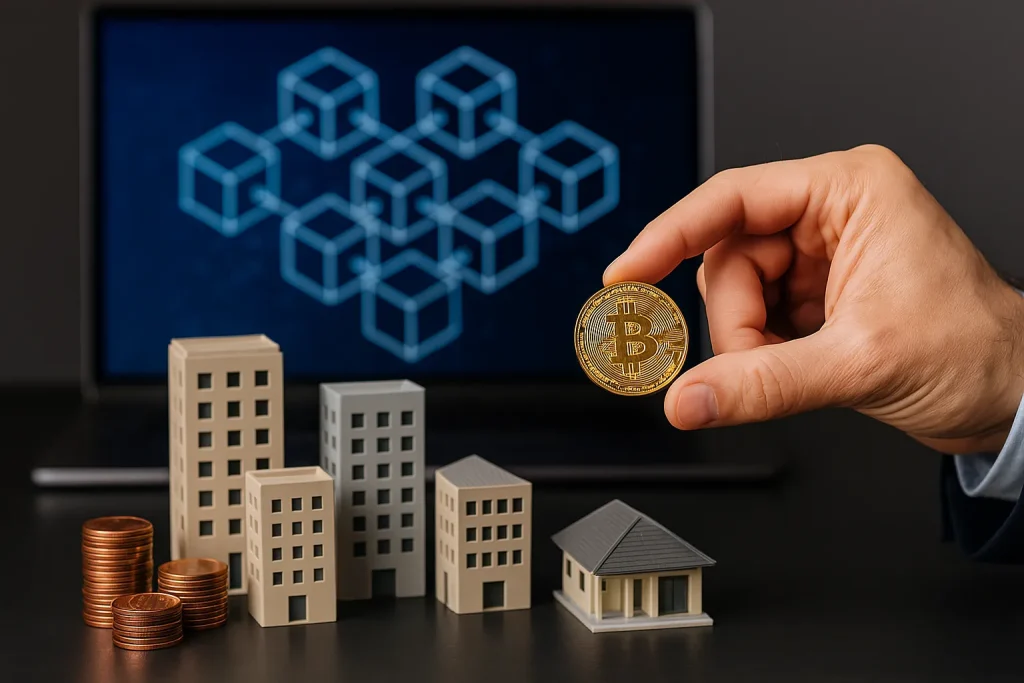
Tokenized platforms are a game-changer in the world of finance, particularly with their ability to fractionalize assets. By allowing investors to purchase smaller portions of an asset, these platforms significantly reduce the cost of entry into markets like real estate and stocks. This has opened doors for individuals and small investors who were previously excluded due to high financial barriers.
In addition to accessibility, the transparency provided by blockchain technology is a pivotal advantage. With immutable records and a decentralized ledger, investors can trust the integrity of their transactions. This transparency reduces the risk of fraud and enhances investor confidence. As a result, tokenized platforms not only democratize access but also foster a more secure and trustworthy environment for financial activities.
Diving deeper into the mechanics of tokenized investments
At the core of tokenized platforms is the concept of asset tokenization—converting rights to an asset into a digital token on a blockchain. This allows for fractional ownership, enabling multiple investors to own a piece of high-value assets. The blockchain acts as a secure ledger that records all transactions, ensuring transparency and immutable records.
Tokenized investments also leverage smart contracts, which automate the execution of agreements when certain conditions are met. This automation reduces the need for intermediaries, speeding up transactions and reducing costs. Additionally, smart contracts minimize human error and ensure compliance with predefined rules.
Exploring practical applications and benefits of tokenization
The practical applications of tokenized platforms extend beyond stocks and real estate into other asset classes, including commodities and art. By breaking down high-value assets into smaller, tradable units, tokenization opens up new markets and opportunities for diverse investments. This has made previously illiquid assets accessible, expanding diversification options and potential returns for investors.
Besides accessibility and diversification, tokenized platforms are pivotal in reducing transaction times and costs. Traditional markets often involve complex procedures and lengthy settlement times. In contrast, tokenized transactions, facilitated by blockchain technology, offer near-instant settlements.
Implementing tokenization for diverse portfolios
Investors looking to adopt tokenized platforms can benefit from a strategic approach to diversification. By including tokenized assets in their portfolios, investors can achieve greater risk distribution and gain exposure to new asset classes. Fractional ownership of diverse assets allows for a more balanced and resilient investment strategy.
Moreover, the flexibility provided by tokenization means investors can adjust their portfolios with ease. They can respond swiftly to market changes without the need for large capital shifts. This agility, combined with lower entry costs and enhanced transparency, underscores the advantages of tokenized platforms in crafting future-ready investment strategies.
The future of investment through tokenization
Tokenized platforms are paving the way for a more inclusive and efficient financial ecosystem. By lowering barriers to entry and increasing market transparency, they democratize access to investment opportunities formerly reserved for wealthy individuals and institutions. The continued advancement of blockchain technology is likely to enhance these benefits, further transforming the way assets are traded and owned.
As tokenization becomes more widespread, we can anticipate greater innovation in financial products and services. From enabling micro-investments to fostering cross-border transactions, the possibilities are vast. The democratization of financial markets via tokenized platforms is not just a trend but a significant shift towards a more equitable financial future.
